
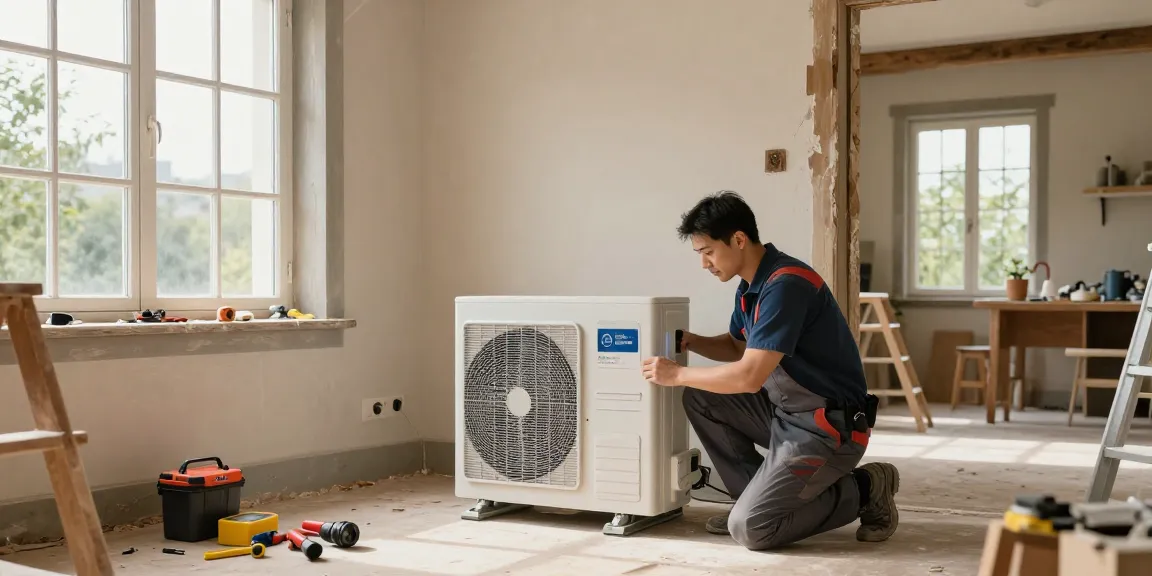
Understanding Heat Pumps in Older Buildings
As energy efficiency becomes more crucial in our fight against climate change, many homeowners are exploring sustainable heating options. One such option gaining traction is the heat pump, particularly in older buildings, known as wärmepumpe im altbau. This innovative heating solution utilizes renewable energy sources, enabling homeowners to reduce their carbon footprint while enhancing comfort. However, implementing heat pumps in older structures poses unique challenges and opportunities that must be thoroughly evaluated.
What is a Wärmepumpe im Altbau?
A heat pump, or wärmepumpe, is a mechanical device that transfers heat from a cooler space to a warmer space using a refrigeration cycle. In the context of older buildings, this technology can provide efficient heating by leveraging ambient air, ground, or water as energy sources. Unlike traditional heating systems that rely on fossil fuels, heat pumps can significantly lower emissions while reducing energy costs over time.
Benefits of Installing a Heat Pump
There are numerous advantages to installing a heat pump in an older building, including:
- Energy Efficiency: Heat pumps can deliver up to three times more energy than they consume, making them highly efficient.
- Cost Savings: Although the initial investment may be high, the long-term savings on utility bills can offset these costs.
- Environmental Impact: By using renewable energy, heat pumps reduce reliance on fossil fuels, contributing to lower greenhouse gas emissions.
- Versatility: Heat pumps can provide both heating and cooling, making them suitable for year-round comfort.
How Heat Pumps Work in Old Structures
In older buildings, the heat pump’s effectiveness largely depends on the existing heating infrastructure and overall insulation. Traditional heating systems often operate at higher temperatures, while heat pumps work best at lower temperatures. This means that retrofitting existing systems may be necessary to optimize performance.
Evaluating Suitability for Wärmepumpe im Altbau
Key Factors for Installation Success
Determining whether a heat pump is a viable option for an older building involves several factors, including the building’s layout, heating requirements, and insulation quality. Taking the time to conduct a thorough assessment ensures that the chosen heating solution meets the property’s unique needs.
Assessing Your Building’s Insulation
The effectiveness of a heat pump is highly influenced by a building’s insulation. Buildings with poor insulation can lead to significant heat loss, diminishing the pump’s efficiency. Homeowners should consider upgrading insulation in walls, roofs, and floors to maximize the benefits of heat pumps. Strategies include:
- Installing double-glazed windows to reduce heat loss.
- Using insulated doors and sealing drafts.
- Enhancing attic insulation to retain heat during colder months.
Common Misconceptions About Heat Pumps
Despite their benefits, several myths about heat pumps persist. One common misconception is that they are unsuitable for older buildings. While certain structural limitations exist, many older homes can accommodate heat pump technology successfully when combined with proper insulation and heat distribution systems.
Cost Analysis and Financial Incentives
Initial Costs vs Long-Term Savings
The upfront costs of installing a heat pump can be significant, often ranging from €8,000 to €15,000, including installation. However, given the lower operating costs and potential government incentives, homeowners can often recoup their investment within a few years. For instance, a well-sized heat pump system can reduce heating bills by 60% compared to traditional gas or oil heating systems.
Available Subsidies and Financing Options
Governments and local authorities often provide incentives for homeowners looking to install heat pumps, which may include subsidies, tax credits, or low-interest loans. For example, in some regions, the installation of heat pumps can be eligible for up to 30% in federal tax credits, enabling homeowners to ease the financial burden.
Understanding Return on Investment (ROI)
Calculating the return on investment for a heat pump involves not only the initial costs but also the savings on energy bills and any financial incentives received. Homeowners should maintain detailed records of their energy consumption before and after installation, facilitating clear comparisons to assess ROI accurately.
Installation Process: What To Expect
Choosing the Right Professional for Your Project
Finding a qualified installer with experience in retrofitting heat pumps in older buildings is critical. Look for professionals who can conduct thorough assessments of your home and offer tailored installation solutions. Engaging a certified contractor ensures compliance with local regulations and optimal system performance.
Step-by-Step Installation Guide
The installation of a heat pump typically involves the following steps:
- Site Evaluation: The installer assesses the heating needs and layout of the building.
- System Selection: Choosing the right type of heat pump based on the specific requirements of the building.
- Installation: Installing the indoor and outdoor units, followed by connections to the existing heating system.
- Testing: Ensuring the system operates efficiently and meets performance expectations.
- Education: Providing homeowners with guidance on proper maintenance and usage of the heat pump.
Post-Installation Maintenance Tips
To ensure the longevity and efficiency of your heat pump, regular maintenance is essential. This includes:
- Cleaning or replacing filters every few months.
- Scheduling annual professional maintenance checks.
- Monitoring the system for unusual noises or performance issues.
Future Trends in Heating for Old Buildings
Emerging Technologies in Heat Pumps
As technology evolves, new advancements in heat pump systems aim to enhance efficiency and performance further. Innovations like hybrid systems that combine heat pumps with traditional heating sources offer increased flexibility and reliability in various climates.
Impact of Climate Policies on Heating Solutions
Regulatory frameworks worldwide increasingly favor sustainable heating solutions. Upcoming climate policies may incentivize the adoption of heat pumps in older buildings, placing pressure on homeowners to transition to greener alternatives.
Forecasting the Heating Market in 2026
With a growing emphasis on sustainability, the heat pump market is expected to expand significantly by 2026. Homeowners considering wärmepumpe im altbau will need to stay informed about technological improvements and financial incentives to make informed decisions.
Is a Wärmepumpe im Altbau Worth the Investment?
Ultimately, whether a heat pump makes sense for an older building depends on a range of factors, including the building’s insulation, current heating method, and individual budget. Homes that can support efficient heat pump technology stand to benefit significantly from reduced energy costs and lower environmental impact.
What Types of Buildings are Best for Heat Pumps?
While heat pumps can be installed in various structures, they perform best in homes that have good insulation, energy-efficient windows, and a heating distribution system capable of operating at lower temperatures, such as underfloor heating or larger radiators.
How to Maximize Efficiency of Your Heat Pump?
Homeowners can maximize their heat pump’s efficiency by ensuring proper installation, regular maintenance, and optimizing the system for their specific heating needs. Additionally, incorporating smart thermostats can help regulate temperatures and reduce energy consumption.
What are the Common Issues with Heat Pumps?
Common issues with heat pumps include inadequate sizing, poor installation, or lack of maintenance. Homeowners should remain vigilant about these aspects to avoid operational inefficiencies and ensure the longevity of their heating systems.
Can You Mix a Heat Pump with Other Heating Systems?
Combining heat pumps with existing heating systems, such as gas or oil boilers, can provide a hybrid solution that maintains comfort and efficiency. This approach is particularly beneficial during exceptionally cold weather when heat pumps may struggle to meet heating demands on their own.
