
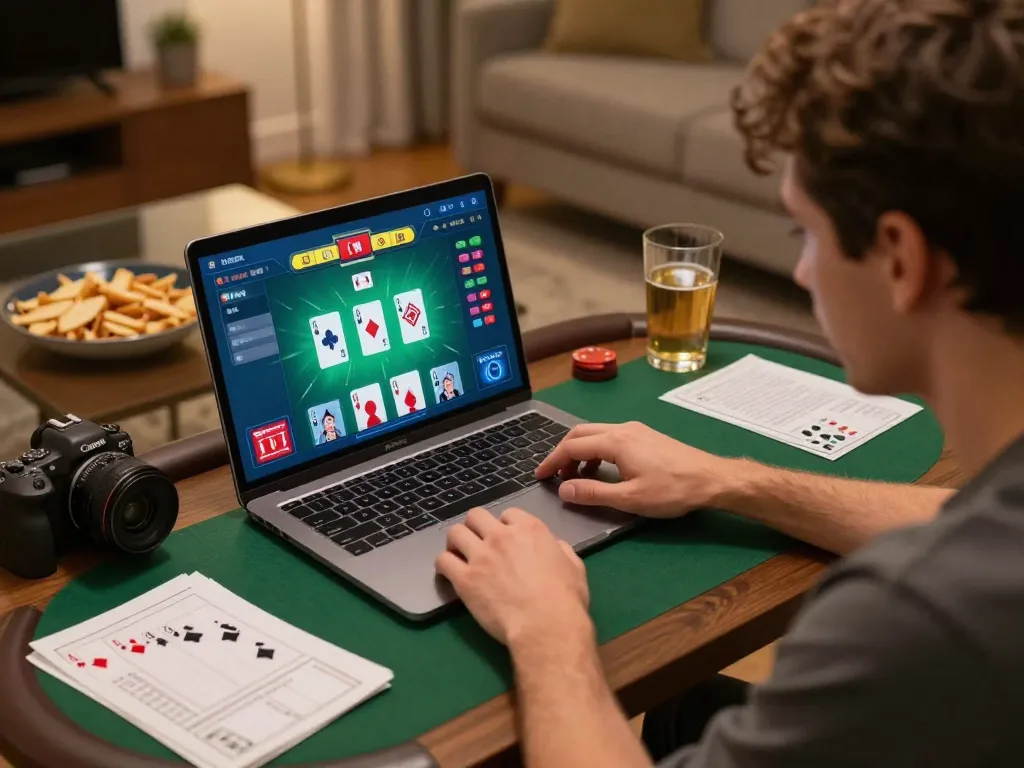
Understanding Blackjack Basics at vipwin.com
Blackjack, a casino staple since the 17th century, is not only one of the most popular card games globally, but also one of the easiest to grasp for newcomers. Its objective is straightforward: players aim to have a hand value closer to 21 than the dealer without exceeding it. The game blends elements of luck and strategy, making it appealing to casual players and seasoned gamblers alike. Whether you’re playing for fun or aiming to hone your skills, understanding the basics of blackjack is essential for your success. When exploring options, vipwin.com provides comprehensive insights that can enhance your gameplay.
The Objective of Blackjack
The main goal in blackjack is to beat the dealer's hand without going over 21 points. Each card has a specific value: numbered cards are worth their face value, face cards (kings, queens, and jacks) are worth 10, and aces can be worth either 1 or 11 depending on what helps the hand most. A hand containing an ace and a 10-point card is known as a "blackjack," which typically pays out at a higher rate than other winning hands.
Basic Rules and Game Setup
The game typically features one or more decks of standard playing cards. Players make their bets before the cards are dealt, and each player receives two cards, usually one face up and one face down. The dealer reveals one of their own cards known as the “upcard”. Players can then choose to “hit” (take another card) or “stand” (keep their current hand). Other options include “double down” or “split” if their initial hand consists of two cards with the same value. Understanding these initial rules sets the stage for developing effective gameplay strategies.
Common Terms and Phrases Used
Familiarity with specific terminology is crucial for any player. Terms like “bust” (going over 21), “blackjack” (an ace plus a ten-point card), and “push” (a tie between the player and dealer) are commonly used at the table. Understanding these terms will enhance your engagement and decision-making during gameplay.
Effective Strategies for Playing Blackjack
Mastering blackjack isn’t just about luck; effective strategies can significantly improve your chances of winning. Implementing structured approaches such as using basic strategy charts or advanced techniques like card counting can give you a substantial edge when playing. Here’s how you can refine your strategy to achieve better outcomes.
Basic Strategy Charts Explained
Basic strategy charts provide players with optimal actions based on their hand and the dealer's upcard. For instance, if a player has a total of 16 and the dealer shows a 10, the chart suggests that the player should hit. Conversely, if the dealer's upcard is between 2 and 6, the player may choose to stand. Memorizing these charts can help reduce the house edge significantly, increasing your overall return percentage.
Card Counting Techniques: Myths and Realities
Card counting is a widely known technique used to enhance blackjack strategy. It involves tracking high and low cards that have been dealt, thereby estimating the cards left in the deck to make informed betting decisions. Although it carries a hefty reputation, it’s essential to remember that most casinos have measures to counter card counting. Players practicing this method should do it discreetly and ensure they understand the fundamentals of game mechanics.
When to Double Down and Split Cards
Knowing when to double down or split your cards is key to optimizing your hands. Doubling down is generally advised when you have a hand that totals 10 or 11, especially against a dealer's lower upcard. Similarly, splitting pairs can be advantageous, particularly with aces or eights. Understanding the intricacies of these actions and applying them correctly according to the basic strategy can lead to substantial gains.
Managing Your Bankroll on vipwin.com
Effective bankroll management is critical in gambling and can significantly influence your experience and potential for winning. Players must establish a clear budget, adjust their bet sizes according to their bankroll, and apply risk management strategies to mitigate losses.
Setting a Budget for Your Sessions
Before sitting down at a blackjack table, it's vital to determine how much you are willing to spend. This budget should reflect what you are comfortable losing, as gambling should always be viewed as a form of entertainment rather than an income source. Setting your budget ahead of time can help set clear boundaries and prevent impulse betting.
The Importance of Bet Sizing
Choosing the right bet size is essential for sustaining your bankroll throughout the gaming session. A common rule of thumb is to wager no more than 1-5% of your total bankroll on a single hand. This approach can allow for extended playtime and reduce the risk of depleting your funds quickly. Adjust your stakes according to your wins and losses, ensuring you keep your gameplay responsible.
Utilizing Staking Strategies Effectively
Employing a staking strategy, such as the Martingale or Paroli systems, can help shape your overall betting strategy. These systems can aid in risk management and aid in making informed decisions on how to adjust bets throughout your gaming session. Keep in mind that no system guarantees success, so it’s essential to approach these strategies with caution.
Choosing the Right Online Casino
With a plethora of options available in the current market, choosing the right online casino requires careful consideration. Here's a breakdown of features to look for when selecting a platform like vipwin.com, including house edge calculations and security measures.
Features to Look for on vipwin.com
When comparing online casinos, prioritize factors such as user interface, game variety, and support options. Look for platforms that offer easy navigation, a diverse selection of games, and responsive customer support. Reading thorough reviews and exploring the site can help confirm that you are making informed decisions.
Understanding House Edge and Payout Rates
The house edge is a critical concept that every player must understand. It represents the casino's statistical advantage over the player, influencing long-term profitability. In blackjack, the house edge ranges from around 0.5% to 1%, depending on the rules and the player’s strategy. Familiarizing yourself with payout rates and RTP (Return to Player) percentages can help you identify more favorable games.
Licensing and Security Considerations
Ensure that the online casino holds a valid license from a recognized authority to confirm that it operates fairly and securely. Look for licenses from organizations such as the Malta Gaming Authority or the UK Gambling Commission. Moreover, verify that the casino employs encryption technologies to protect player data, ensuring your information remains safe while you enjoy your favorite games.
Responsible Gambling Practices
Above all else, responsible gambling should be a priority for every player. Understanding the potential risks involved and implementing best practices can make a significant difference in enjoying your gaming experience.
Recognizing the Signs of Problem Gambling
Many players may inadvertently develop harmful gambling patterns. It’s crucial to recognize the signs of problem gambling, which include escalating betting amounts, gambling to escape other problems, or neglecting personal responsibilities. Being aware of these behaviors allows individuals to allocate appropriate limits and seek help when necessary.
Setting Limits and Self-Exclusion Options
Many gambling sites, including vipwin.com, offer tools for setting limits on deposits, wagers, and losses. Taking advantage of these features can help keep your gambling in check. If you find it difficult to maintain control, consider opting for self-exclusion, which allows you to take a break from gambling until you're ready to return safely.
Resources for Seeking Help
If you or someone you know is struggling with gambling issues, numerous resources are available for assistance. For more information, sảnh ae sexy offers valuable insights. Organizations like Gamblers Anonymous and the National Council on Problem Gambling provide support for individuals seeking help. Remember, gambling should always be treated as a form of entertainment—not a means of income.